Perseverance Has Sealed 25 Rock and Regolith Samples from Jezero Crater's Ancient Delta
NASA's Mars rover has filled more than half of its 43 titanium sample tubes during its exploration.
NASA's Perseverance rover has drilled and hermetically sealed 25 scientific samples—sedimentary and igneous rock cores, regolith, and Martian air—out of 43 titanium tubes carried for potential Mars Sample Return.
- 25 sample tubes sealed on Mars out of a total inventory of 43 tubes (58% filled).
- 10 of those tubes were placed at the 'Three Forks' backup depot in Jezero Crater.
- Each drilled rock core measures roughly 1.3 cm wide by 6 cm long.
Perseverance Sample Tube Inventory
Breakdown of the 43 titanium tubes on Mars 2020
Source: NASA / JPL · Includes the 10 backup tubes cached at Three Forks.
A geological archive of ancient liquid water
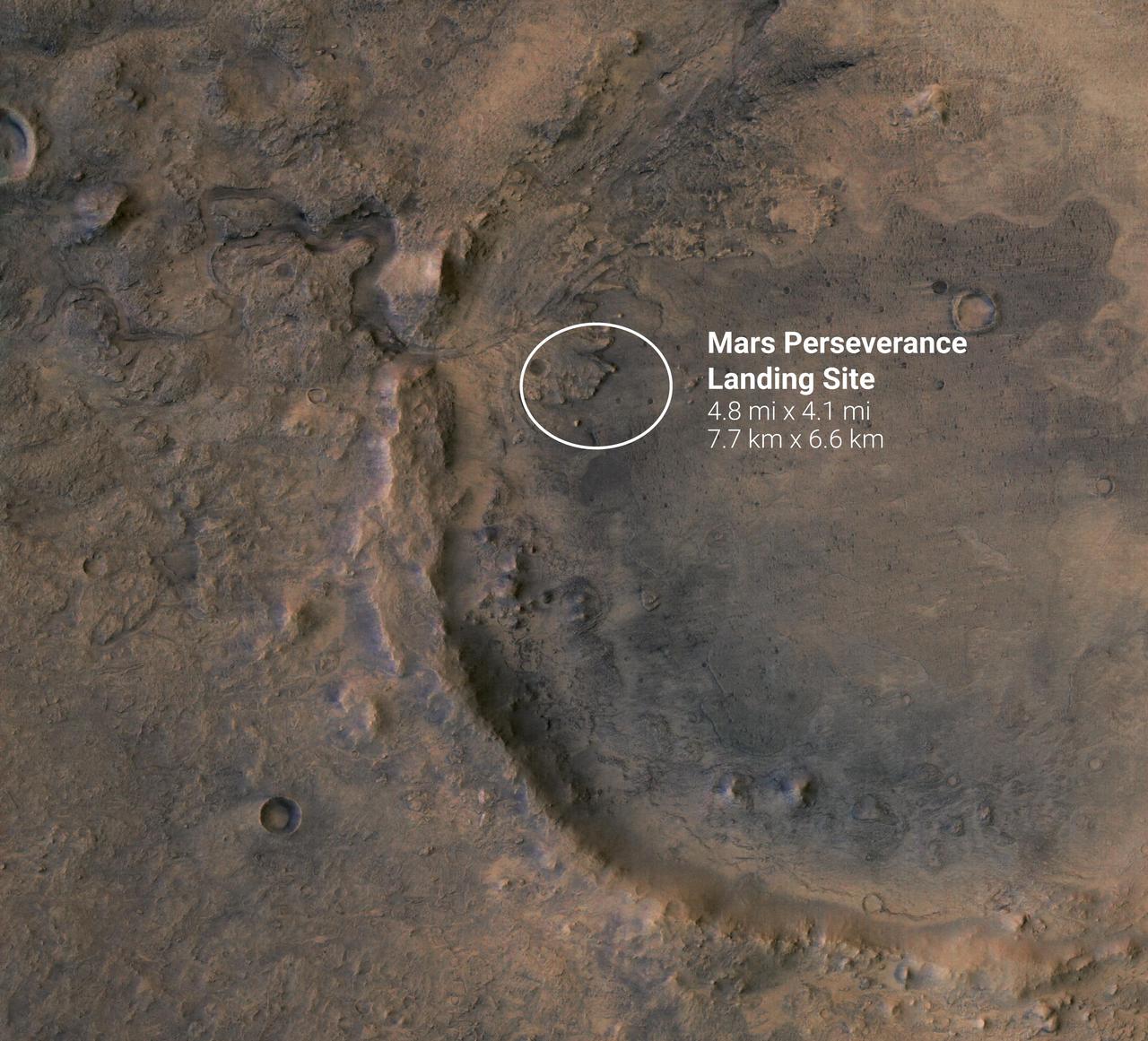
Roughly 3.5 billion years ago, river channels spilled into Jezero Crater, carving a 45-km lake and a sedimentary fan delta. On Earth, fine-grained delta mudstones are ideal traps for preserving ancient organic molecules and potential microbial fossils.
Before coring any target, Perseverance scans its mineral chemistry using SuperCam, SHERLOC, and PIXL so only scientifically high-value rocks enter the sample cache.
Inventory breakdown: crater floor, delta cores, and backup depot
As shown in the tube inventory chart, Perseverance carries 43 ultra-clean titanium sample tubes sterilized to prevent Earth biological contamination. With 25 sealed tubes (58% capacity), the collection spans volcanic crater-floor rocks, clay- and carbonate-bearing delta layers, regolith, and Martian atmosphere.
To reduce single-point failure risk, 10 sealed tubes were placed on flat terrain at Three Forks as humanity's first off-world sample depot, while the rover carries paired duplicates onward up the crater rim.
Why Martian rocks must be analyzed on Earth
Even the most capable rover cannot carry room-sized isotope mass spectrometers or synchrotrons. Returning intact Jezero cores to terrestrial laboratories would allow precise radiometric age-dating of the ancient lake and definitive tests to distinguish biological chemistry from abiotic processes.
Frequently asked questions
Why did Perseverance drop 10 tubes on the Martian surface?+
The Three Forks cache acts as a backup depot so a future sample retrieval mission can collect them even if the rover stops driving.
How big is each drilled Martian rock core?+
Each cylindrical core is roughly 13 millimeters wide (about the thickness of a piece of chalk) and 6 centimeters long.
Verification Fact Sheet
Original source: NASA / Jet Propulsion Laboratory (Mars 2020 Sample Log)
Evidence: Perseverance Adaptive Caching Assembly (ACA) telemetry.
Scope: Sealed tubes count (25) vs total rover capacity (43).
Announced date: Oct 1, 2024